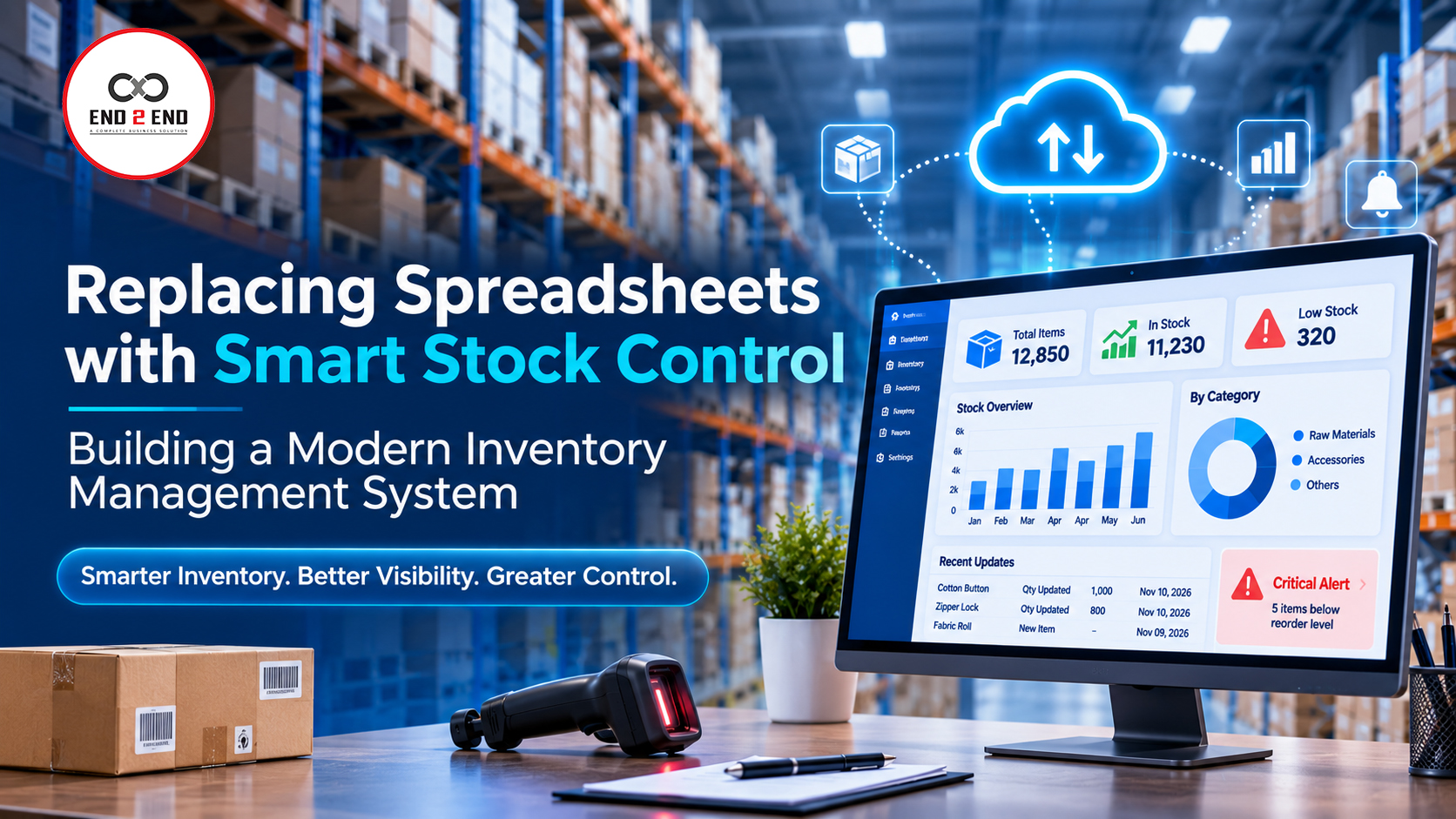
Managing inventory through spreadsheets may seem simple at first. However, as a business grows and the number of items increases, keeping stock records accurate and up to date becomes more challenging.

Managing inventory through spreadsheets may seem simple at first. However, as a business grows and the number of items increases, keeping stock records accurate and up to date becomes more challenging.
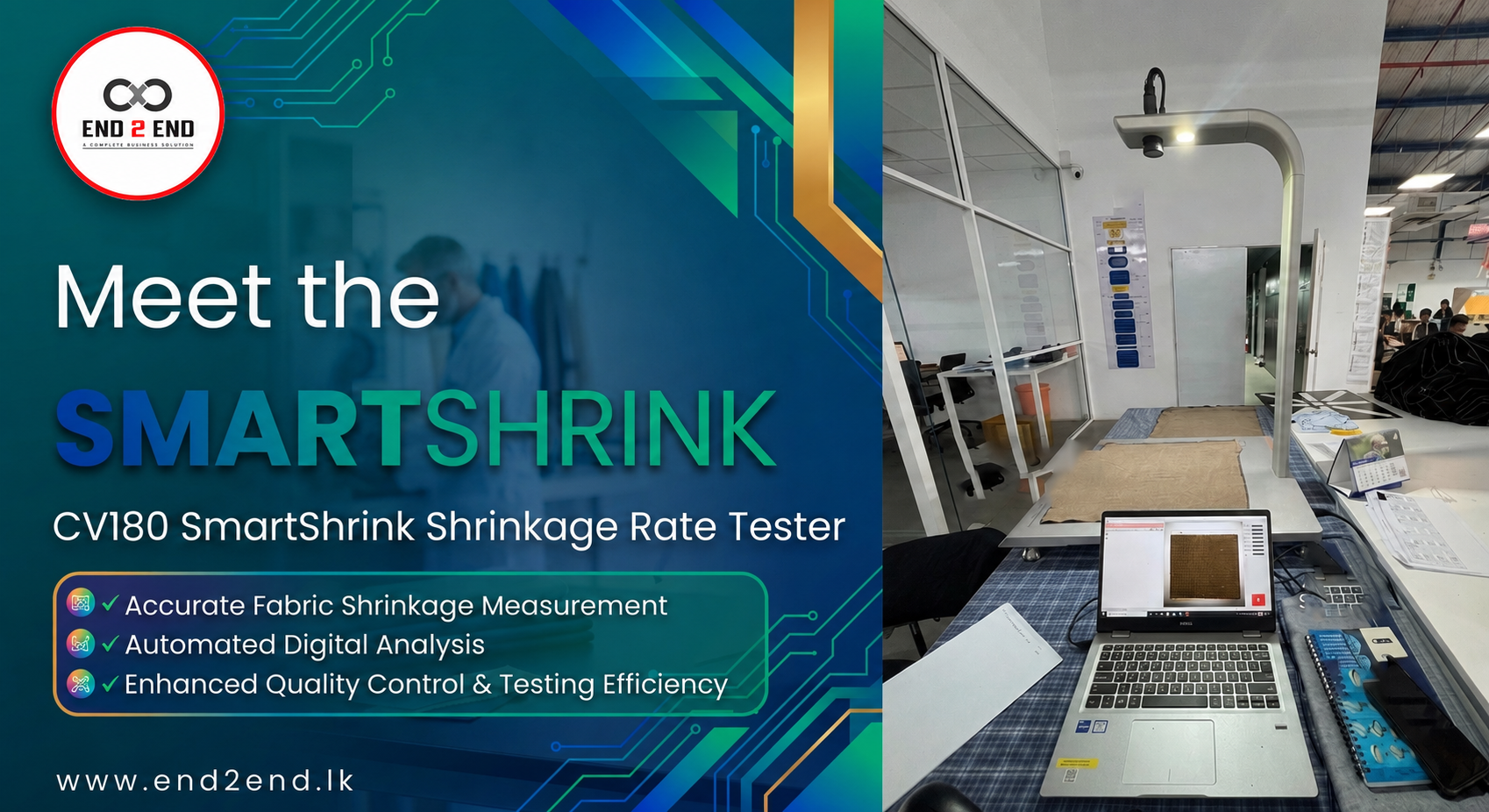
In today's competitive textile and apparel industry, precision in quality control is more important than ever. Fabric shrinkage and distortion after washing directly impact garment quality, customer satisfaction, and brand reputation. However, traditional shrinkage testing methods often involve manual measurements that are time-consuming, labor-intensive, and susceptible to human error.

Establish smart textile factories with end-to-end production management. We can help you have a seamless experience while reducing your effort and increasing your profit.
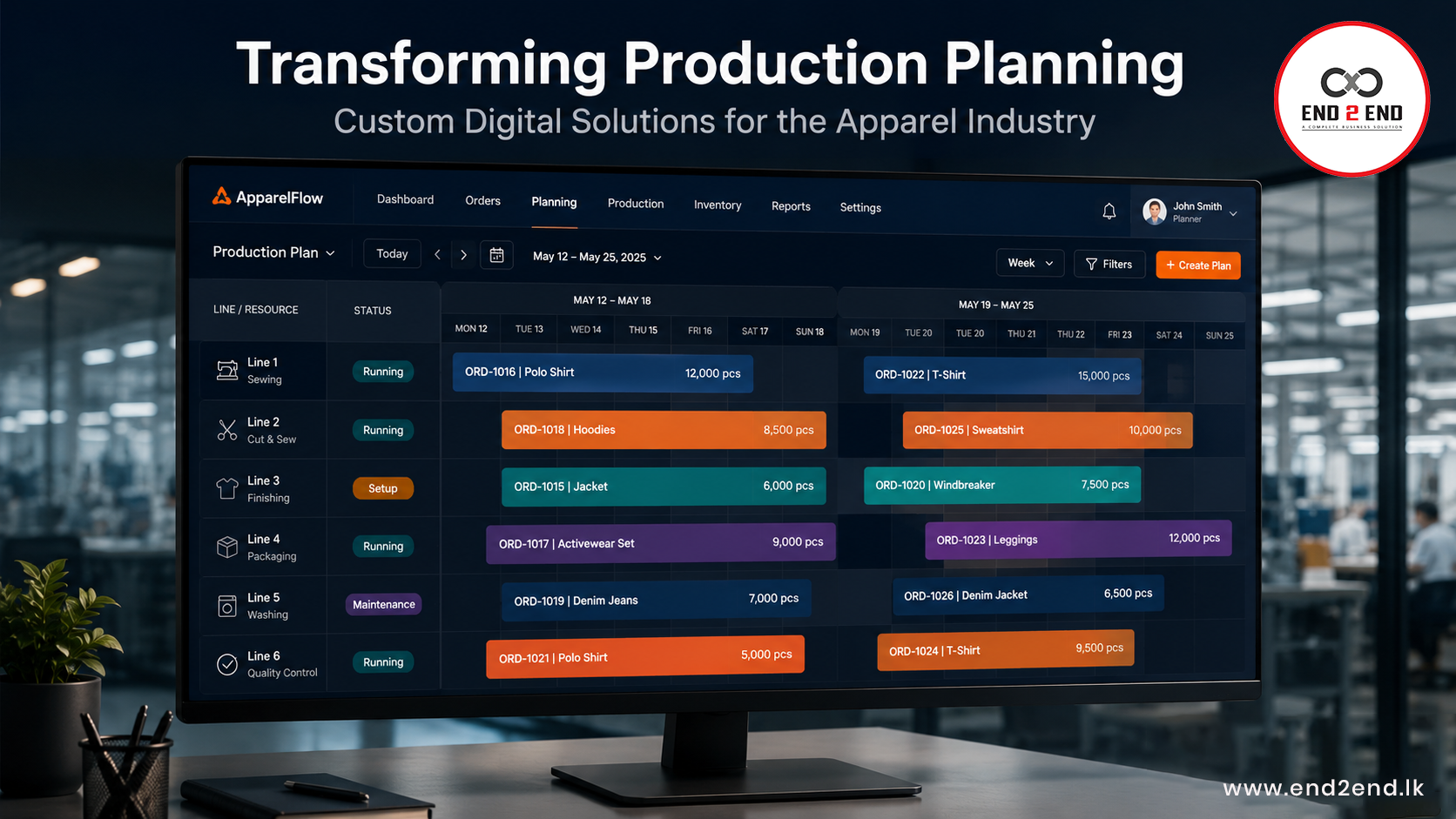
Every factory has a plan. The question is whether that plan is working for the team — or against it.
When one of our clients in the apparel manufacturing industry reached out to us, their planning team was spending hours each day doing things that should take minutes: recalculating dates after every schedule change, cross-referencing delivery deadlines across spreadsheets, and trying to communicate updates to managers without a reliable way to keep everyone on the same page.
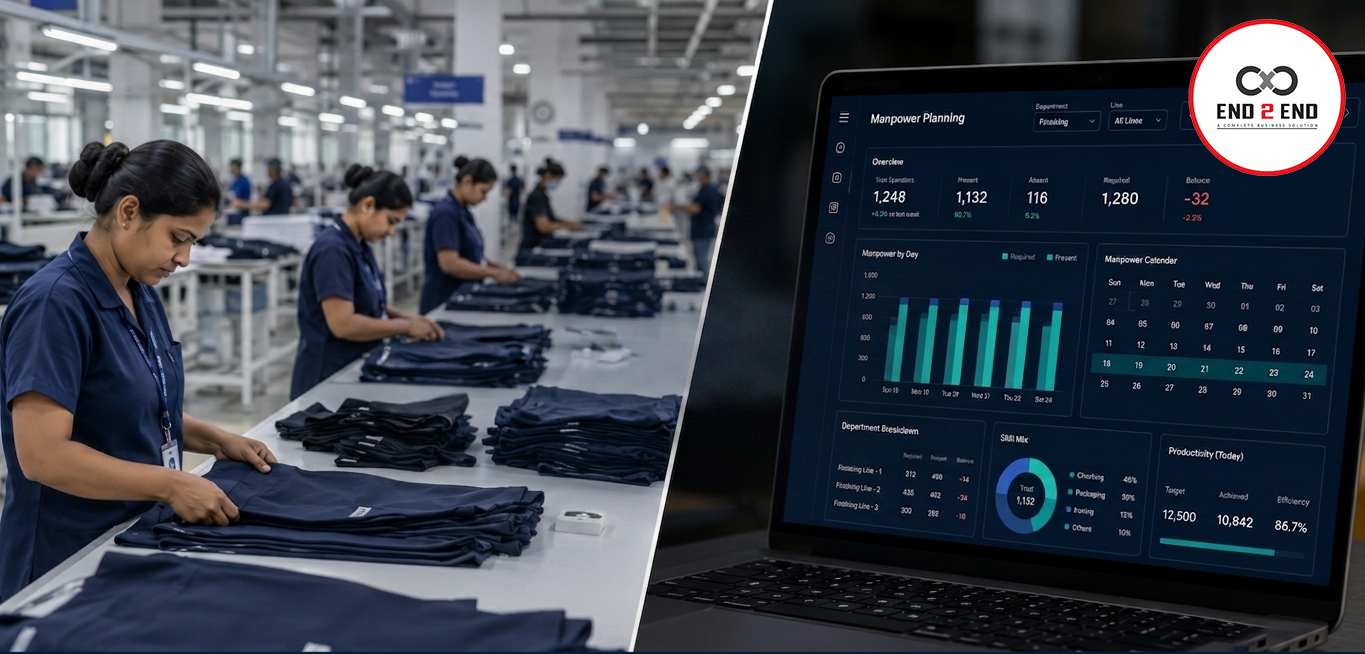
In the apparel manufacturing world, the finishing department is where every garment reaches its final form before it leaves the factory floor. It is also one of the most labour-intensive, operationally complex, and time-sensitive departments in the entire production chain.

We are fully equipped to be an external project manager for new projects the company wishes to outsource. Our team is enriched with experienced CEOs, COOs, Operation Heads, Quality Mangers, IE Managers, HR Heads, Engineering Managers, Maintenance Managers etc.
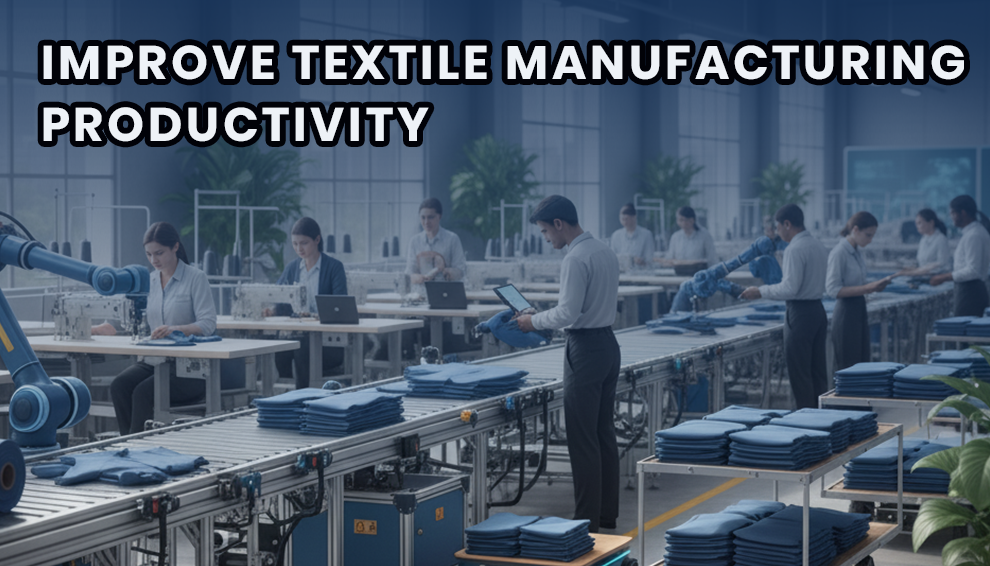
In today’s competitive apparel market, improving productivity in textile manufacturing is not just about producing more—it's about producing smarter. Every minute, every meter of fabric, and every worker’s movement contributes to the final efficiency of your production line. Let’s explore the key strategies that can drive measurable productivity improvements in textile manufacturing.

In today’s apparel manufacturing landscape, sustainability is no longer optional — it’s a competitive advantage. Leading brands are prioritizing eco-friendly supply chains, and factories with LEED (Leadership in Energy and Environmental Design) certification are standing out for all the right reasons.
In many apparel factories, the sewing line gets blamed every time production targets are missed. Discussions immediately shift to operator skill, machine downtime, or low efficiency reports. But here’s the truth most factories overlook:

In the apparel manufacturing industry, one of the biggest challenges factories face is high rejection rates. Every rejected piece is not just a product lost — it’s wasted raw material, time, labor, and ultimately, profit. Frequent rejections also impact brand reputation and buyer trust.

In the fast-paced world of apparel manufacturing, every minute counts. Deadlines are tight, customer expectations are rising, and competitors are always ready to fill the gap if you fall behind. Yet many apparel businesses struggle with one recurring issue: slow production.

When people think of apparel, fashion is usually the first thing that comes to mind—trends, colors, styles, and designs. But behind every garment lies a much more intricate story. Apparel is not just about aesthetics; it is a complex system where creativity, efficiency, and collaboration come together to bring ideas to life.

In the fashion world, style isn’t just about what you create—it’s about how your brand is perceived. A strong brand identity doesn’t just make you recognizable; it builds trust, loyalty, and a deeper emotional connection with your audience.

Launching an apparel brand is exciting—but it comes with serious challenges, especially when it comes to managing the supply chain. From sourcing fabrics to delivering the final product, startups often face inefficiencies, delays, and hidden costs that can make or break their success.

In today’s fast-paced apparel manufacturing world, the term “Lean” gets thrown around a lot. But lean isn’t just another management fad or corporate jargon. It’s a fundamental approach that can mean the difference between thriving and merely surviving.

In today’s fast-paced fashion landscape, apparel manufacturers are constantly looking for ways to improve efficiency, reduce waste, and respond swiftly to market demands. Two production models dominate the industry: traditional manufacturing and lean manufacturing. While both have their merits, understanding the difference between the two can help businesses make smarter decisions and stay competitive.

The apparel industry is fast-paced, competitive, and constantly evolving. From supply chain challenges and rising production costs to changing consumer behavior and digital disruption, apparel brands today face more complexity than ever. That’s where apparel business consulting comes in.

In today’s competitive market, digital transformation is not a luxury — it’s a necessity. Apparel brands that embrace technology are staying ahead of the curve in quality, speed, and sustainability.

The apparel industry is evolving fast. From supply chain disruptions to rising consumer expectations for sustainability and speed, brands must adapt—or risk being left behind.

The apparel industry is evolving fast. From supply chain disruptions to rising consumer expectations for sustainability and speed, brands must adapt—or risk being left behind.

Sri Lanka is a global leader in the apparel industry, known for its high-quality manufacturing, ethical production practices, and innovation-driven approach.

Apparel consultancy is increasingly essential in today's competitive fashion industry. Here are some key reasons highlighting the need for apparel consultancy:

Embark on a specialized learning journey tailored for professionals and novices alike within the apparel manufacturing sector.
Join us in the series we talk about the apparel industry and the responsibilities of Industrial Engineers in the textile industry.

If you are thinking about employing a apparel manufacturing consultant to your business who can assist you in managing a world-class apparel manufacturing facility, this article is just for you.
End2end Introducing the new innovation Spagathi loop automation Machine. Regarding this machine you can use for all types of turning loops.
End2end, the complete solution provider presents new innovation Automate Piping Maker Machine.This new machine made for Automatic Piping making operation. In regarding this machine at one time we can do four operations.
Auto mate belt making machine can do 4 operations in one time. Stitching, Ironing, Messuring and Cutting. With this machine we can save one helper and ironing table per line.total capacity of this machine 2 lines.

Our clients must be flexible and quick to change to be competitive in the apparel manufacturing sector.
Through our unparalleled service, End2End Solutions ensures that our clients produce great products faster and flawlessly while improving their bottom line.